Understanding Grassed Swales: A Practical Look at Stormwater Management
Grassed swales are a common practice in stormwater management, designed to capture and filter runoff from urban and rural areas. These vegetated channels are engineered to slow down the flow of water, allowing sediment and pollutants to settle out, and then release the cleaned water into nearby waterways or aquifers. As a trend-aware reader, you might be interested in learning more about the benefits and challenges of implementing grassed swales, as well as common mistakes to avoid in their design and maintenance.
What are Grassed Swales and How Do They Work?
Grassed swales are essentially long, narrow depressions in the ground, lined with grasses and other vegetation that help to stabilize the soil and filter out pollutants. They can be used in a variety of settings, from residential neighborhoods to industrial parks, and are often employed in conjunction with other stormwater management practices, such as detention ponds and green roofs. By slowing down the flow of stormwater, grassed swales help to prevent erosion and reduce the amount of pollutants that enter nearby waterways.

What are Some Common Mistakes in Designing and Maintaining Grassed Swales?
One common mistake in designing grassed swales is to underestimate the amount of maintenance required to keep them functioning properly. Grassed swales need to be regularly mowed and inspected to ensure that they are working effectively, and that sediment and pollutants are not building up in the swale. Another mistake is to design the swale with too steep of a slope, which can lead to erosion and reduce the swale's ability to filter out pollutants. By taking the time to properly design and maintain grassed swales, property owners and managers can help to ensure that these important stormwater management tools are working effectively.
What are Some Smarter Alternatives to Traditional Grassed Swales?
In recent years, there has been a growing interest in using alternative materials and designs to create more effective and sustainable grassed swales. For example, some designers are using native grasses and wildflowers to create swales that are more resistant to erosion and require less maintenance. Others are incorporating additional features, such as rain gardens and bioswales, to create more comprehensive stormwater management systems. By thinking creatively and using a combination of different approaches, it is possible to create grassed swales that are not only effective at managing stormwater, but also provide additional benefits, such as habitat creation and aesthetic appeal.

How Can Property Owners and Managers Get Started with Grassed Swales?
For property owners and managers who are interested in learning more about grassed swales and how they can be used to manage stormwater, there are a number of resources available. The first step is to consult with a qualified designer or engineer who has experience with grassed swales and stormwater management. They can help to assess the property and determine the best approach for designing and installing a grassed swale. Additionally, there are many online resources and guides available that provide more information on the benefits and challenges of grassed swales, as well as tips and best practices for designing and maintaining them.
Grassed Swales & Rip Rap Management | AQUALIS
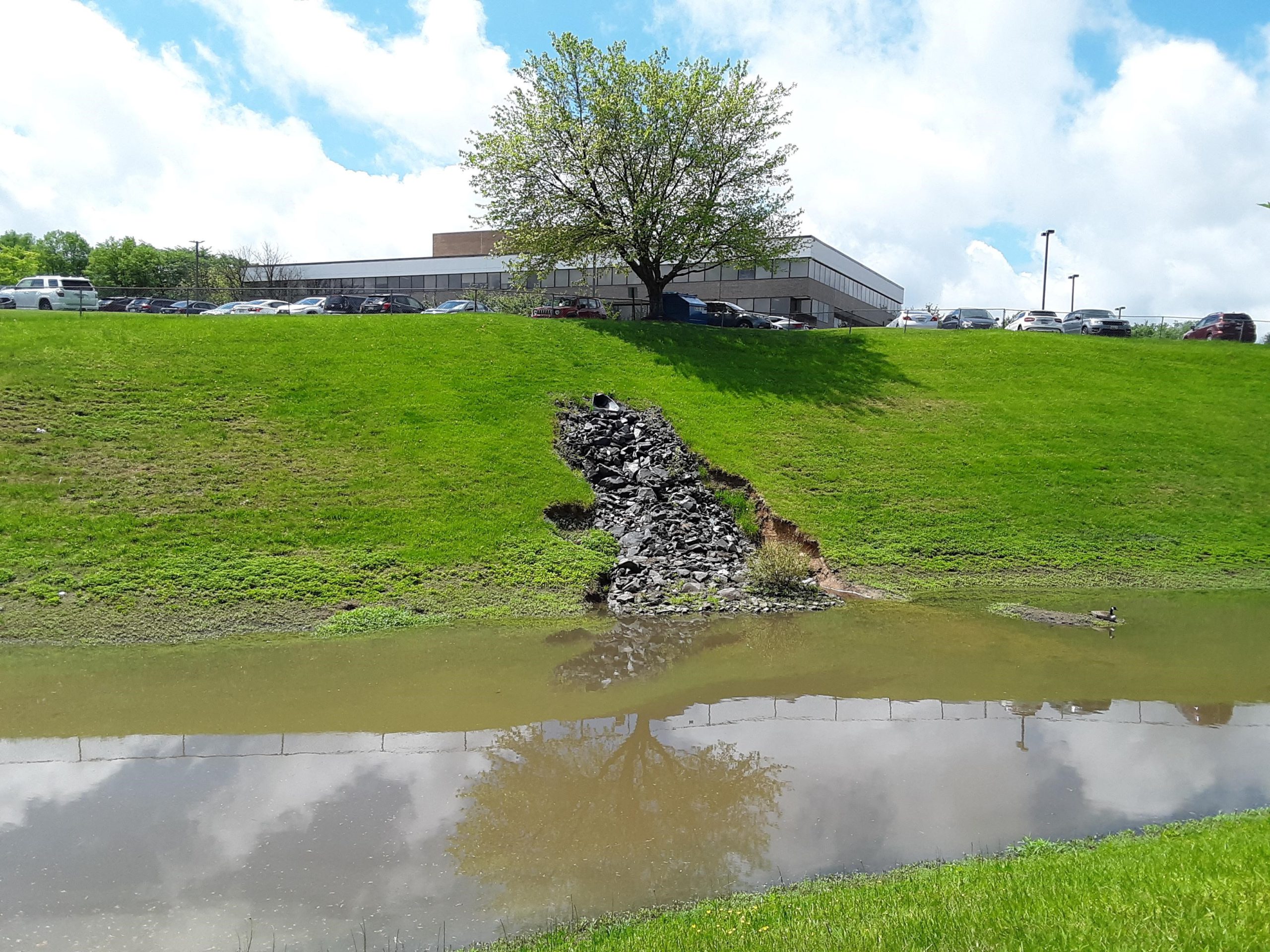
Grassed Swales & Rip Rap Management | AQUALIS
Stormwater Management - Grassed Swales

Stormwater Management - Grassed Swales
Grassed Swales And Water Retention Pounds
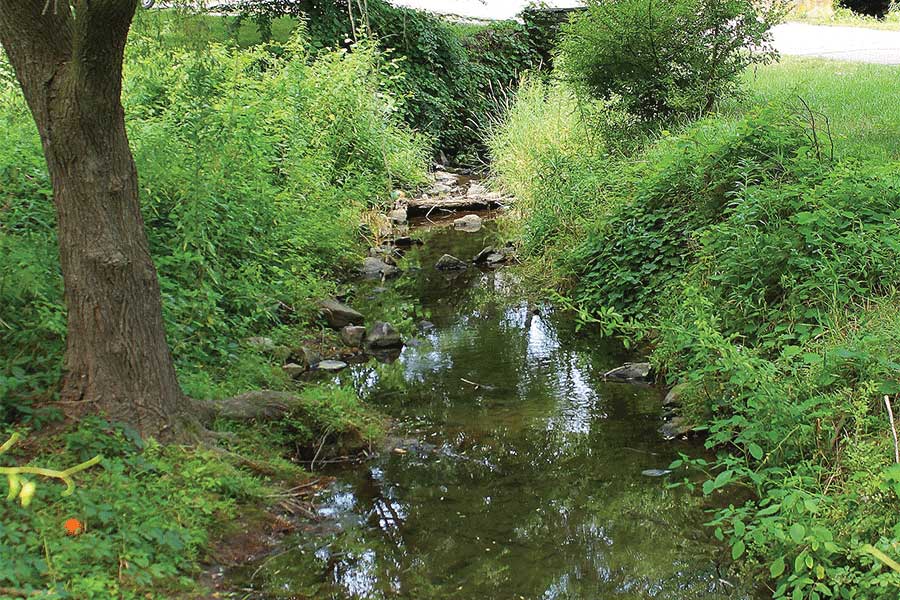
Grassed swales and Water Retention Pounds